
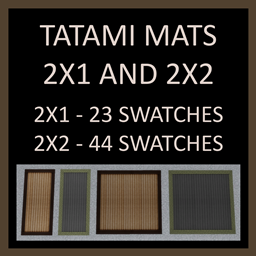
Japanese Journeys - Tatami Mats - 2X1 and 2X2 Versions
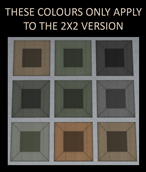
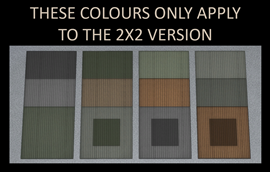
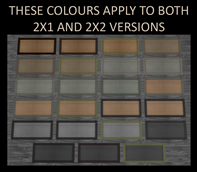
Description
Tatami mats are a staple floor covering in many Japanese homes. Read on for more information, or skip to Files to download.
Note: All images are from live in game
---------------------------------------------------
From https://www.japanobjects.com/features/tatami
"The word tatami comes from the verb tatamu (畳む, “to fold”, “to pile”). Tatami mats first appeared in the oldest Japanese book, Kojiki (Record of Ancient Matters), as far back as 712. The name derives from the fact that tatami mats were originally thinner and could be folded or piled up.
Through most of Japanese history, the floor itself would be made of wood, and tatami mats would serve a particular purpose such as seating, in the houses of the well-to-do. Over the centuries their use widened. By the Edo period shoin-zukuri rooms, that we now call Japanese-style rooms, had become quite common, where nobles and samurai slept on tatami or woven mats named goza (茣蓙), while common people used straw mats or even loose straw for bedding.
Shoin-zukuri rooms were characterized by coffered ceilings, shoji screens, square pillars, and tatami floors. Tatami mats were installed on the entire floor of a room. These areas were called zashiki (座敷, “spread out for sitting”) and the arrangement of tatami mats in the room was determined by strict rules.
By the end of the 17th century, tatami floors had reached almost every home, which continues until today. Most Japanese houses have a few tatami matted rooms, including many modern city apartments. Even if Western-style bedding is popular, Japanese people often still sleep on a tatami mat with a futon, a thin mattress, on top. The rooms having tatami floorings and other traditional architectural characteristics are referred to as washitsu, "Japanese-style rooms". We highly recommend you experience Japanese hospitality and sleep on tatami mats when staying at a ryokan!
Tatami are typically differentiated by size and shape, quality of materials and applicability. Here are some of the most notable styles:
Size and shape: Most people think of tatami as rectangular, but square-shaped mats are also fairly common. Square tatami mats usually measure three feet by three (90cm by 90cm) and can accommodate the modular, symmetrical design of traditional Japanese rooms. Rectangular tatami tend to be favored, however, because of their streamlined, elongated appearance which creates a larger sense of space and works well in unconventionally shaped rooms. They also allow for interlocking designs and patterns that are deemed auspicious in traditional Japanese culture.
Materials: Igusa rush grass and rice straw are among the most common materials used for tatami construction. The former is the gold-standard, known for its elasticity, longevity and ability to maintain its natural color. Igusa rush tatami mats also have a natural wetland fragrance and vaunted antibacterial properties. This is not to say that rice straw tatami always pale in comparison. These mats have a slightly rougher texture and golden hue, but are often firm, durable and have good insulation."
------------------------------------------------------------
COST
2X1: 50 Simoleons
2X2: 65 Simoleons
LOCATION
BOTH: Decor>Rugs
STYLES
BOTH: Basics, Boho, Mid Century, Shabby, Storybook, Vintage
AMBIENCE
BOTH: Mood Relief Stress
VENUE
BOTH: Arts Centre, Library, Museum, Relaxation Centre, Retail, Onsen
Enjoy!